
English 
Tel: +86-592-6016338
WhatsApp: +8613859908475
WhatsApp: +8613859908475
Add: No. 16 Yifa 1st Road, Yifa Industrial Park, Dushi Village, Pingtan Town, Huiyang District, Huizhou, Guangdong, China


Views: 0 Author: Site Editor Publish Time: 2026-10-21 Origin: Site


Picture a strawberry patch in mid-July. The plants hang heavy with fruit. Suddenly, invasive bindweed chokes the rows. It steals vital water and nutrients. Shallow berry roots desperately need consistent moisture to thrive. Yet, trapped water remains their absolute worst enemy. Traditional plastic mulches often suffocate these delicate root systems completely. They create a soggy, anaerobic environment where fungal diseases flourish.
There is a far more effective approach to horticultural management. By utilizing permeable ground covers, farm managers can eliminate unwanted vegetation while maintaining perfect soil hydrology. This guide explores how to select, compare, and install the right materials to keep berry rows pristine and perfectly hydrated.
Permeability is Key: High-quality synthetic barriers allow essential water and air to pass through freely. This prevents the root rot commonly caused by trapped moisture under solid plastics.
Color Matters: Black materials effectively block sunlight to stop weed photosynthesis. Simultaneously, they gently warm the soil, encouraging earlier and more robust berry yields.
Material Selection: Choosing a nonwoven textile often provides superior water drainage and soil aeration compared to tightly woven plastics. This makes it ideal for moisture-sensitive crops.
Proper Installation: Pairing your ground cover with the correct drip irrigation setup ensures optimal moisture management for berry rows without suffocating the plant crowns.
Managing a commercial berry farm or a high-yield home garden requires precise environmental control. Whether you cultivate strawberries, blueberries, or raspberries, the balance between retaining soil moisture and preventing weed competition remains incredibly delicate.
Berry bushes possess notoriously shallow and fibrous root systems. For instance, the vast majority of a blueberry or strawberry plant's active roots reside within the top six to twelve inches of the soil profile. Because their roots sit so close to the surface, they are highly vulnerable to resource competition. When weeds establish themselves in berry rows, they immediately siphon away surface-level water and essential nutrients.
Overcompensating with heavy watering or using impermeable plastic sheeting introduces a new, often fatal threat. That threat is moisture stress. If the soil remains consistently waterlogged and lacks oxygen, berry plants become highly susceptible to fungal diseases such as Phytophthora root rot and Botrytis crown rot. The root zone must breathe naturally to survive.
This is exactly where agricultural weed barrier fabric becomes an invaluable agronomic tool. Chemical herbicides can alter soil microbiology or leave unwanted residues on your fruit. In contrast, this textile provides a physical, non-toxic barrier.
By covering the soil surface, the material blocks photosynthetically active radiation. Without sunlight, weed seeds resting in the topsoil cannot germinate. Existing weeds simply cannot photosynthesize. The critical advantage of modern agricultural textiles over traditional plastic sheeting is their porosity. Engineers designed them to suppress weeds while maintaining the vital exchange of oxygen and water between the atmosphere and the soil beneath.
With shifting climate patterns bringing unpredictable, heavy spring downpours, the berry farming sector is undergoing a massive transition. Agronomists note a rapid departure from traditional, impermeable plastic mulch films. The industry consensus now heavily emphasizes precision hydrology. This means balancing absolute weed elimination with enhanced soil aeration.
Consequently, breathable horticultural textiles have moved from a niche organic farming tool to an industry-standard baseline. Farm managers increasingly prioritize microclimate optimization at the root zone. They recognize that preventing anaerobic soil conditions is just as critical to crop yield as stopping weed photosynthesis.
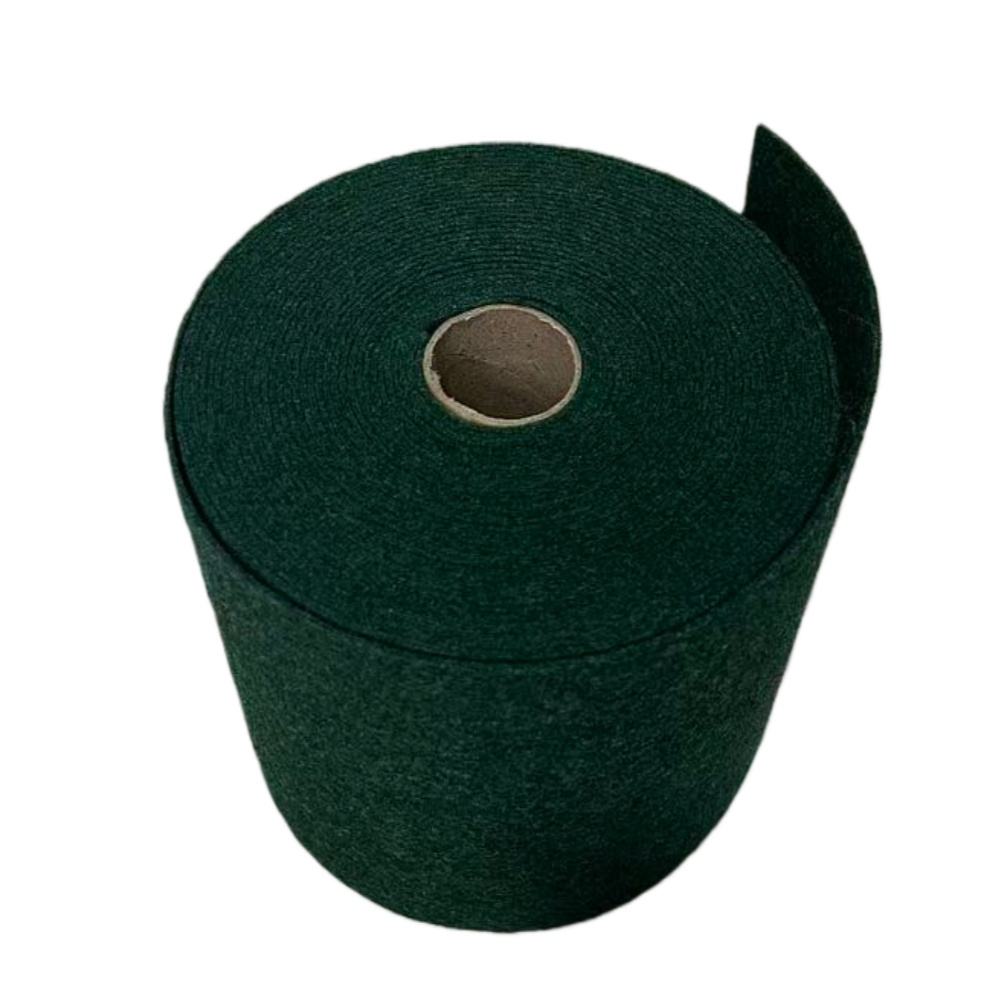
When selecting a protective shield for berry production, color serves as a primary factor. Commercial growers and horticulturists overwhelmingly prefer black fabrics for several scientifically backed reasons.
Aggressive perennial weeds, such as bindweed or thistles, can sometimes survive under thin or lightly colored mulches. They do this by utilizing trace amounts of penetrating light. Black stands as the most effective color for absorbing the full spectrum of ultraviolet and visible light. By creating an environment of near-total light deprivation beneath the surface, black covers starve even the most resilient weeds. They lose the energy needed to grow, which significantly reduces manual weeding labor.
Beyond weed suppression, black textiles act as passive solar collectors. During the chilly early spring months, the dark surface absorbs solar radiation. It then transfers that thermal energy directly into the topsoil.
Warming the root zone by just a few degrees has a profound impact on berry phenology. Warmer soil accelerates root metabolism and nutrient uptake. This helps the plants break dormancy sooner. For commercial growers, this often translates to earlier flowering and an accelerated harvest timeline. Ultimately, it allows them to bring berries to market when demand and prices hit their peak.
Berry rows endure heavy foot traffic during pruning, maintenance, and harvesting. Over time, this constant traffic compacts the soil. It destroys macro-pores and further reduces oxygen availability to the roots. Furthermore, heavy spring rains easily wash away valuable, nutrient-rich topsoil.
A high-quality synthetic barrier acts as a protective shield. It dissipates the kinetic energy of falling raindrops, preventing soil crusting and erosion. Specifically, it helps distribute the weight of foot traffic and harvesting carts. This preserves the structural integrity and essential aeration of the soil beneath.
For buyers evaluating different options, understanding the structural differences between manufacturing types is critical. The production process dictates exactly how the material handles water. This directly impacts long-term root health.
Manufacturers typically make woven fabrics from extruded polypropylene threads woven tightly together in a grid pattern.
Pros: They offer exceptional tensile strength and tear resistance. For instance, a heavy-duty 260g PP barrier fabric withstands heavy machinery perfectly. This makes it suitable for farm pathways, vineyard tractor routes, or greenhouse floors.
Cons: Plastic threads are woven tightly to block light. Consequently, the gaps for water passage remain minimal. While water eventually seeps through, heavy rainfall causes surface pooling. In heavy clay soils, this slow permeability contributes to dangerous moisture retention around sensitive roots.
Factories manufacture nonwoven materials using a spunbond or needle-punched process. Here, synthetic fibers are entangled mechanically, thermally, or chemically.
For sensitive berry rows, anti-grass nonwoven fabric is widely considered the superior choice. The random orientation of the fibers creates countless microscopic pores. This unique structure mimics a sponge, offering exceptional permeability. Rainwater and liquid fertilizers drain almost instantly through the material and into the root zone. This rapid drainage eliminates surface puddling. It ensures excess moisture never becomes trapped against the plant crowns.
To make an informed decision, consider your specific soil type and crop requirements. The table below outlines the ideal use cases for both materials based on field engineering standards.
| Technical Feature | Woven Fabric (High-Density Polypropylene) | Nonwoven Fabric (Spunbond/Needle-punched) |
|---|---|---|
| Water Permeability | Moderate to Slow. Water may pool temporarily during heavy rain. | Very High. Provides instant drainage to the root zone. |
| Air Permeability | Low to Moderate. | High. Ensures excellent soil aeration. |
| Tensile Strength | Very High. Resists heavy machinery and tractor tires. | Moderate. Sufficient for daily foot traffic and harvest carts. |
| Best Soil Match | Sandy, fast-draining soils. | Clay or loam soils prone to waterlogging. |
| Ideal Application | Pathways, under gravel, heavy equipment operating areas. | Directly around berry rows and sensitive plant bases. |
For the actual planting rows where moisture management and root aeration remain non-negotiable, nonwoven textile serves as the established agronomic standard.
Even the most breathable material causes severe agricultural issues if installed incorrectly. Proper installation ensures the barrier performs its dual role. It must suppress weeds while facilitating healthy moisture exchange.
Never lay a protective cover over uneven, unprepared ground. Begin by manually removing any existing weeds, sharp rocks, or large roots that could puncture the material. Because the cover remains in place for several years, amending the soil beforehand is crucial. Incorporate well-rotted compost and adjust the soil pH. This is especially important for acid-loving blueberries. Ensure the ground is perfectly leveled to prevent water from pooling in low spots.
Roll the orchard weed control fabric out in a straight line directly over the prepared planting row. If your rows run wider than a single roll, you will need multiple strips. Building on this, overlapping the edges of adjoining rolls by at least six to eight inches is critical. Weeds are highly opportunistic. They easily find their way through narrow gaps if the overlap proves insufficient.
When planting the berries, use a sharp utility knife or a specialized fabric burner to cut holes. Field technicians commonly use an X or an O shape.
Do not make the holes too small. The material should never tightly choke the base of the berry plant. If the textile rubs against the stem, it traps surface moisture directly against the crown. This creates an ideal environment for crown rot. Always leave a small, breathable gap of about one to two inches around the main stem to ensure adequate airflow.
Wind acts as the primary enemy of newly laid ground covers. Secure the installation using heavy-duty, galvanized landscape staples or pins. Drive a staple into the ground every two to three feet along the edges. Place additional staples along the overlapping seams. Ensuring the material sits flush against the soil prevents wind from lifting it. It also stops opportunistic weed seeds from blowing underneath.
Successfully cultivating strawberries, blueberries, and raspberries requires a delicate, ongoing balance. Eliminating weed competition is necessary for nutrient uptake. However, maintaining optimal soil hydrology remains equally critical. Integrating your weed management strategy with proper moisture control techniques guarantees a healthy harvest.
Berry farmers frequently debate the correct placement for drip irrigation lines when using ground covers. Should you install the tubing beneath the barrier, directly on the soil surface, or place it on top?
Placing drip lines beneath the cover is a traditional approach. It significantly reduces water evaporation. By shielding the emitters from direct sunlight and wind, water reaches the root zone directly. This maximizes irrigation efficiency. However, this method presents maintenance challenges. If an emitter clogs or a rodent damages the tubing, identifying the leak requires pulling back sections of the installation. This is labor-intensive and highly disruptive.
In contrast, placing the drip lines on top of the cover allows for immediate visual inspection. This method proves highly effective, provided you selected a material with superior water permeability. For top-mounted irrigation to work without causing surface puddling, growers rely on high-porosity fabrics. The unique spunbond structure allows water droplets from the emitters to pass through instantly. Moisture reaches the soil profile efficiently without pooling around the plant base.
Even with advanced textiles, regular monitoring of soil hydration remains a fundamental practice. The barrier obscures the soil surface. Visual cues of dryness, like cracking dirt, or overwatering, like algae growth, stay hidden. Relying solely on a scheduled irrigation timer leads to dangerous fluctuations in soil moisture.
To prevent trapping excess moisture, utilize objective measurement tools. Install tensiometers and volumetric water content sensors in the berry rows. These provide real-time data on soil moisture levels beneath the barrier.
For smaller operations, the manual finger test remains highly reliable. Kneel down to inspect a bush. Carefully lift a small section of the material near the plant hole. Insert a finger two to three inches into the soil. It should feel consistently damp, similar to a wrung-out sponge. It should never feel saturated or slick with mud. If you squeeze a handful of soil and water drips out, dial back the irrigation system immediately to prevent root suffocation.
A high-quality black ground cover functions perfectly on its own. Yet, adding a supplemental layer of organic mulch on top provides secondary agronomic benefits. This practice proves particularly advantageous in regions experiencing extreme summer temperatures.
Black materials naturally absorb solar radiation. This warms the soil in early spring. However, it can occasionally lead to excessive surface heat during peak summer months. Applying a thin, two-inch layer of organic material acts as a thermal insulator. Pine needles, straw, or aged wood chips work best. This buffer prevents the underlying soil from reaching temperatures that stress shallow berry roots.
For acid-loving crops like blueberries, pine needles serve as an exceptional choice. As they slowly break down, they maintain the low soil pH that blueberries require for optimal iron absorption. Furthermore, placing organic mulch on top protects the synthetic material from direct ultraviolet radiation. This significantly extends its operational lifespan.
Factories do not manufacture all ground covers to the same rigorous standards. Selecting the wrong material leads to poor drainage, rapid degradation, and ultimately, crop failure. When evaluating options for commercial berry farming, decision-makers must look beyond basic marketing claims. Always analyze specific technical specifications.
Agricultural environments are harsh. They expose materials to relentless solar radiation. Polymers like polypropylene will naturally degrade, become brittle, and disintegrate if they lack chemical stabilization against ultraviolet light.
When sourcing materials, verify the product contains ultraviolet inhibitors. Manufacturers typically add carbon black during the extrusion process. A professional-grade product should offer a guaranteed field lifespan of at least three to five years under direct sunlight exposure. Materials lacking adequate stabilization often begin to fray and tear within a single growing season. This necessitates costly replacements while leaving synthetic fragments in the soil.
For berry cultivation, the permeability rating stands as the most critical technical specification. This metric determines how rapidly water and air transmit through the material's matrix. Engineers usually measure it in gallons per minute per square foot.
If the permeability runs too low, rainwater and irrigation pool on the surface. Trapped moisture creates an anaerobic environment at the plant crown. This encourages the proliferation of fungal pathogens. Nonwoven materials generally exhibit superior, multi-directional permeability compared to tightly woven plastics. Always request the manufacturer's technical data sheet. Confirm that the water flow rate aligns with your region's average rainfall and your specific irrigation volume.
The physical durability and weed-suppression capability of the textile directly correlate to its density. The industry measures this in Grams per Square Meter, commonly known as GSM. A higher GSM indicates a thicker, heavier, and more robust material. However, thicker is not universally better. As GSM increases, permeability often decreases.
For most berry applications, a medium-weight textile around 90 to 120 GSM provides the ideal balance. It offers the necessary strength to suppress aggressive perennial weeds. Simultaneously, it maintains the high porosity required for optimal soil aeration.
Farm managers must evaluate agricultural inputs for environmental and food safety impacts. The barrier remains in direct contact with the soil where food crops grow for several years. Ensure the chosen material originates from virgin, non-toxic polymers. Avoid recycled plastics of unknown origin, which may contain heavy metals or harmful chemical residues.
Look for products free from toxic plasticizers that could potentially leach into the soil profile. High-quality textiles resist biological degradation from soil bacteria and fungi. This ensures they remain intact rather than breaking down into microplastics prematurely.
Managing weeds in berry rows serves as a crucial component of a successful harvest. Fortunately, you do not have to sacrifice root health to achieve a clean field. By choosing a high-quality, permeable black ground cover, you effectively halt weed photosynthesis while allowing the soil to breathe properly. Nonwoven varieties specifically prevent excess moisture from trapping roots. They safeguard your plants against devastating fungal diseases.
Implementing advanced horticultural textiles leads to higher yields and drastically reduced manual labor. Most importantly, your berry plants stay perfectly hydrated. Before the next planting season begins, assess your soil type and evaluate your irrigation setup. Invest in professional-grade materials from trusted manufacturers like DOER Nonwovens to ensure your crops thrive year after year. Visit DOER Nonwovens today to explore technical specifications and find the exact fabric match for your farm's unique hydrology needs.
Yes, applying liquid nutrients is highly effective if you utilize a professional, permeable material. High-quality nonwoven textiles feature microscopic pores that allow liquids to pass through rapidly. When you apply water-soluble fertilizers or compost teas, the liquid drains directly through the matrix and into the root zone without pooling. This ensures your berry plants receive consistent nutrition without requiring you to remove the ground cover.
While the color black naturally absorbs solar radiation, the impact on soil temperature depends heavily on the material's breathability. A highly porous material allows trapped heat and soil vapors to vent into the atmosphere. This prevents the root zone from dangerously overheating. The slight warming effect actually benefits early spring root development. If you live in a climate with extreme summer heat, simply apply a light, two-inch layer of organic mulch directly over the barrier to act as a thermal insulator.
The longevity of the material depends on its chemical composition and environmental exposure. A commercial-grade product properly treated with ultraviolet stabilizers typically maintains its structural integrity for three to five years when fully exposed to direct sunlight. If you protect the textile from solar rays with a layer of organic mulch or gravel, its lifespan can easily double. It often lasts upwards of eight to ten years before requiring replacement.
Absolutely. Solid plastic sheeting is virtually impermeable. It blocks oxygen exchange and traps excess water against the soil surface. This frequently causes strawberry crowns to rot and promotes rapid fungal diseases. In contrast, permeable non-woven materials allow the soil to breathe naturally. They facilitate instant water drainage and gas exchange. This keeps the soil hydrology perfectly balanced while keeping the developing berries elevated, clean, and completely free from weed competition.
Installing fabric around mature plants requires a strategic approach. Instead of trying to drop a single sheet over a large bush, roll the fabric straight down the row right next to the plant bases. Then, cut a slit from the edge of the fabric directly to the center point where the bush sits. Slide the fabric around the base, leaving a two-inch gap around the woody stems for air circulation. Finally, overlap the slit edges and secure them tightly with galvanized landscape staples to prevent weeds from exploiting the seam.
The fabric itself does not cause mold, but choosing the wrong type of fabric in a wet climate certainly will. If you use a tightly woven plastic that drains slowly, heavy rainfall will pool underneath and create a stagnant, soggy environment where mold and mildew thrive. To prevent this in wet regions, you must select a high-porosity nonwoven fabric. Because it mimics a sponge, it drains excess water immediately and allows soil moisture to evaporate naturally, completely eliminating the anaerobic conditions that mold requires to grow.


