
English 
Tel: +86-592-6016338
WhatsApp: +8613859908475
WhatsApp: +8613859908475
Add: No. 16 Yifa 1st Road, Yifa Industrial Park, Dushi Village, Pingtan Town, Huiyang District, Huizhou, Guangdong, China


Views: 0 Author: Site Editor Publish Time: 2026-10-27 Origin: Site


Can a single micro-dust leak bring your entire factory to a grinding halt? I have seen it happen on the plant floor. High-load workshops face extreme temperatures and process massive dust volumes daily. Poor material choices inevitably lead to severe suction drops, unplanned downtime, and costly environmental fines. In this comprehensive engineering guide, we strip away the marketing fluff. You will learn the exact science behind selecting the proper filtration matrix to safeguard your operations and ensure continuous productivity.
Structural Superiority: Nonwoven architectures provide a three-dimensional micro-structure. This ensures higher porosity, lower pressure drops, and superior dust cake release compared to conventional woven textiles.
Polymer Matching is Crucial: Selecting the correct chemical makeup prevents premature bag failure caused by thermal degradation. Certain polymers thrive in high-sulfur environments, while others are purpose-built for extreme heat.
Surface Treatments Matter: Applying specialized membranes to your filtration substrate shifts the mechanism from depth to surface filtration, capturing sub-micron particles efficiently without blinding.
Total Cost of Ownership: Procuring the lowest-cost option frequently results in accelerated replacement cycles. Investing in appropriate media drastically reduces long-term maintenance expenditures.
Industrial dust collection systems operate under brutal mechanical and thermal stress. Picture a large-scale cement kiln or a steel foundry operating at peak capacity. These facilities are characterized by heavy grain loading. This means the concentration of abrasive particulate matter entering the baghouse is exceptionally high, bombarding the system on a relentless continuous schedule.
Operators in these harsh settings consistently report specific pain points that cripple productivity. A sudden, stubborn spike on the differential pressure gauge? That usually indicates rapid blinding. This phenomenon occurs when fine dust permanently embeds itself within the pores of the fabric matrix. Consequently, the system is forced to initiate more frequent pulse-jet cleaning cycles. This reaction not only consumes vast amounts of expensive compressed air but also drastically accelerates the mechanical wear and tear on the bag fibers.
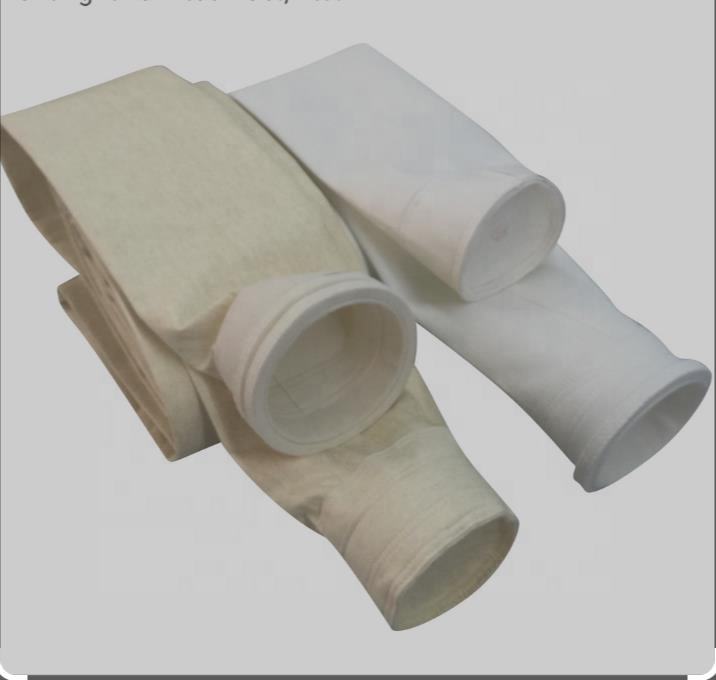
Historically, woven textiles were the go-to choice for industrial filtration. They relied on the simple geometric spacing between intersecting yarns to capture dust. Today, woven materials are largely considered obsolete for high-load pulse-jet baghouse systems due to their tendency to blind quickly and severely restrict airflow.
The modern engineering benchmark is needle punched filter fabric. This highly advanced nonwoven material is manufactured through a precise mechanical entanglement process. Thousands of barbed needles repeatedly penetrate a loose web of synthetic fibers. As they punch through and retract, they create a dense, structurally sound, three-dimensional porous matrix.
Scanning Electron Microscope imaging reveals that optimal needle strokes significantly increase the tortuous microscopic pathways within the fabric. These complex routes are highly efficient at trapping particulate matter while allowing clean air to pass through with minimal resistance. This structural advantage ensures robust depth filtration and an excellent air-to-cloth ratio, allowing facilities to process larger volumes of air within a compact physical footprint.
Selecting the structural design is merely the foundation. Matching the specific polymer chemistry to the industrial environment is what ultimately determines operational longevity and plant safety. Below is a core comparison of standard filtration polymers.
| Polymer Type | Max Continuous Temp | Chemical Resistance | Best Application |
|---|---|---|---|
| PPS | 190°C | Excellent Acid/Alkali | Coal Boilers, Incinerators |
| Aramid Nomex | 200°C | Good general resistance | Steel Mills, Asphalt Plants |
| Polyester PET | 130°C | Poor moisture/heat resistance | Woodworking, Mining |
Engineered specifically for environments with severe chemical exposure, a Customized High-quality PPS Filter Cloth featuring a robust 6mm thickness alongside singeing and heat-setting treatments demonstrates exceptional resistance to both acids and alkalis. It performs brilliantly in high-sulfur environments like coal-fired power plants. However, it is highly susceptible to oxidation. To prevent rapid degradation, oxygen levels in the gas stream must strictly remain below the 10 percent threshold.
Aramid fibers offer outstanding high-temperature stability coupled with excellent mechanical abrasion resistance. They maintain structural integrity in continuous operating temperatures up to 200°C. For steel plants and metal foundries requiring strict emission controls, upgrading to a 500g Aramid Nomex PTFE Membrane Filter Cloth Bag provides both vital thermal resistance and near-zero emission capabilities.
Polyester remains the most widely utilized and highly cost-effective polymer for general manufacturing applications operating at ambient temperatures. It is ideal for woodworking facilities and mining operations. Conversely, polyester is highly prone to hydrolysis. In the presence of high moisture combined with elevated temperatures, the polymer chains break down rapidly, leading to catastrophic fabric failure.
Selecting the correct filtration substrate requires a systematic data-driven approach rather than guesswork. Plant engineers and procurement teams should evaluate several critical operational metrics before finalizing a specification.
Temperature acts as the primary limiting factor for polymer survival. It is absolutely necessary to determine both the continuous baseline operating temperature and the maximum surge temperature. Relying solely on average temperatures will inevitably result in a melted or brittle particulate barrier during an unexpected thermal spike.
Furthermore, analyze the exhaust gas stream for corrosive elements. The presence of specific acids, alkalis, or combustible gases dictates the polymer choice. Assess the moisture content carefully. High humidity combined with heat strictly prohibits the use of standard polyester due to the severe risk of hydrolysis.
Examine the physical properties of the particulate matter. Key metrics include the particle size distribution, the abrasiveness of the dust, and its tendency to agglomerate. Highly abrasive dust like silica acts like sandpaper. It demands a heavier fabric weight with robust mechanical strength to withstand the constant scouring against the hopper walls.
In highly demanding industrial workshops dealing with ultra-fine, hydroscopic, or highly toxic particulate matter, a bare fabric matrix is rarely sufficient. To achieve strict regulatory compliance and optimal operational efficiency, the base material requires advanced surface treatments.
The most significant upgrade available for your dust collector filter bag media is the lamination of an expanded polytetrafluoroethylene ePTFE membrane. By bonding this micro-porous layer to the surface of the nonwoven substrate, the filtration mechanism fundamentally shifts from depth filtration to true surface filtration.
Because the pores of the PTFE membrane are microscopically smaller than the particulate matter, dust simply cannot penetrate the base fabric. This yields near-zero particulate emissions and provides superior dust cake release during the violent snap of a pulse-jet cleaning cycle. Additionally, thermal treatments like singeing and glazing melt loose surface fibers, creating a smooth finish that significantly reduces the friction coefficient.
As global environmental regulations tighten, the industrial filtration landscape is undergoing a significant transformation. Regulatory bodies are moving beyond standard PM10 monitoring to enforce strict compliance on PM2.5 and even sub-micron particulate emissions. This regulatory pressure is driving a massive industry shift toward surface-treated nonwovens. Bare fabrics are increasingly being replaced or upgraded with advanced ePTFE laminations to guarantee near-zero emissions.
In addition, the integration of Internet of Things IoT sensors within baghouse systems is revolutionizing maintenance strategies. Plant managers are now moving away from reactive replacements. They utilize real-time differential pressure and particulate monitoring to predict exactly when a fabric matrix is reaching the end of its lifecycle. This data-driven approach maximizes the lifespan of high-performance filter media while entirely eliminating the risk of unexpected compliance violations.
Even the highest quality filtration media has a finite lifespan. Implementing a rigorous proactive maintenance protocol ensures continuous plant safety and maximum return on investment.
Operators should monitor the baghouse for specific degradation indicators rather than relying on a static calendar schedule. A consistently high differential pressure that refuses to drop after pulse cleaning strongly indicates irreversible blinding. Visible dust plumes exiting the exhaust stack point directly to physical tears, degraded seams, or failed tubesheet seals.
Industrial baghouses are hazardous confined spaces. Strict adherence to Lockout Tagout LOTO procedures is non-negotiable. Before installing new media, maintenance personnel must meticulously audit the internal support cages. Run a gloved hand over the vertical stringers to feel for microscopic burrs, rusted wires, or sharp edges. A damaged cage will quickly slice through a brand-new nonwoven bag, rendering the replacement entirely useless.
Precise installation is critical. The snap-band mechanism must seat perfectly flush against the tubesheet. Even a millimeter of misalignment creates a bypass leak. Crucially, never introduce a newly installed set of bags to a high-load sticky dust environment immediately. New bags must be pre-coated with a neutral porous conditioning agent to establish an initial protective dust cake, shielding the virgin fabric from permanent blinding on day one.
Procurement errors in dust collection systems frequently lead to catastrophic operational failures. Avoiding these common sourcing pitfalls is essential for maintaining plant profitability.
A frequent error is purchasing economical polyester bags for an application that chemically necessitates specialized polymers. While the initial purchase order appears attractive, the polyester bags will likely experience chemical hydrolysis and fail within weeks. The cascading costs of emergency replacement, overtime labor, and unplanned facility downtime will far exceed any initial savings.
Thermal management is a delicate balancing act. If operators allow the internal baghouse temperature to drop below the acid dew point, moisture will rapidly condense and mix with exhaust gases like sulfur dioxide. This lethal combination creates concentrated sulfuric acid that will dissolve and destroy the filter bags, regardless of their standard chemical resistance ratings.
Selecting the right filtration substrate is not a mere purchasing decision. It is a vital engineering strategy for high-load workshops. It directly impacts your facility safety, regulatory compliance, and daily operational expenditures. Always match the polymer chemistry to your specific thermal and chemical environment. Invest in high-quality nonwoven materials and advanced surface treatments to ensure durable and reliable performance. By avoiding cheap short-term options, you protect your entire operation from frequent and exorbitant failures. To upgrade your baghouse performance and find the exact material match for your specific industrial application, explore the full range of engineered filtration solutions at Doer Nonwovens.
Woven fabrics rely on the geometric spaces between interwoven yarns to filter dust, which is a form of surface filtration highly prone to blinding and restrictive airflow. In contrast, needle punched fabrics are nonwoven materials manufactured by mechanically entangling fibers with barbed needles. This creates a dense, three-dimensional micro-maze that provides superior depth filtration, higher air-to-cloth ratios, and robust durability.
You should specify PPS when your gas stream contains high levels of corrosive chemicals, specifically sulfur, acids, and alkalis, while operating in environments with low oxygen levels. This is common in coal-fired boilers. Aramid is the superior choice when chemical exposure is relatively neutral, but continuous operating temperatures are extremely high, such as in steel mills and asphalt mixing plants.
In a properly sized and meticulously maintained high-load workshop, high-quality filtration media typically lasts between one to three years. However, this lifespan is highly variable. It depends entirely on continuous operating temperatures, the aggressive frequency of pulse-jet cleaning cycles, the abrasiveness of the particulate matter, and whether the baghouse is operated safely above the acid dew point.
Generally, no. Industrial filtration experts strongly advise against washing these materials. The aggressive washing process physically destroys the carefully engineered three-dimensional micro-structure of the fibers. Furthermore, water and harsh detergents will strip away critical surface treatments, such as PTFE membranes or anti-static coatings. Washing also causes unpredictable dimensional shrinkage, meaning the bags will no longer fit tightly on their cages, leading to immediate mechanical failure.
The air-to-cloth ratio is calculated by dividing the total volume of air entering the dust collector by the total surface area of the filter media inside the unit. A lower ratio means the air moves slower through the fabric, which reduces wear and improves filtration efficiency. High-load environments typically require a conservative air-to-cloth ratio to prevent rapid media blinding and excessive pressure drops.
Blinding occurs when fine particulate matter becomes permanently wedged deep within the fibrous structure of the filter media, blocking airflow. The primary causes include operating below the acid dew point which creates sticky mud on the bags, improper pulse-jet cleaning sequences, and selecting a base fabric with inadequate surface treatments for dealing with sub-micron or hydroscopic dust.


